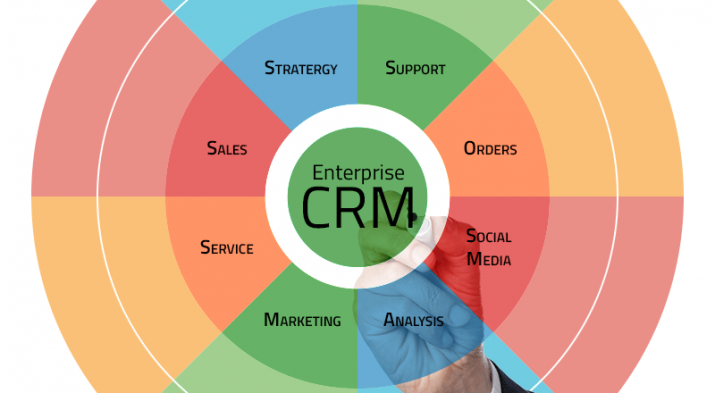
CRM Relationship Management: Nurturing Strong Connections for Successful Business – this exploration delves into the crucial role of customer relationship management in achieving sustainable business growth. We’ll examine how effective CRM strategies foster lasting customer connections, optimize sales processes, and ultimately drive profitability. This journey will cover key principles, practical applications, and future trends shaping the CRM landscape.
From defining core CRM principles and showcasing successful implementation examples to navigating challenges and exploring emerging technologies like AI and machine learning, this comprehensive overview equips businesses with the knowledge and tools to leverage CRM for maximum impact. We’ll also analyze how data-driven insights gleaned from CRM systems inform strategic decision-making, leading to enhanced customer retention and increased revenue.
Defining CRM Relationship Management
CRM, or Customer Relationship Management, is a holistic approach to managing and analyzing customer interactions and data throughout the customer lifecycle. It’s not just software; it’s a strategy designed to improve business relationships with customers, assist in customer retention, and drive sales growth. At its core, effective CRM fosters stronger customer connections, leading to increased loyalty and profitability.
Core Principles of CRM Relationship Management
The foundation of successful CRM rests on several key principles. Central to these is a customer-centric approach, prioritizing understanding and meeting individual customer needs. This necessitates a comprehensive view of each customer, encompassing their past interactions, preferences, and purchase history. Data analysis plays a vital role, providing insights to personalize communication and tailor offerings. Finally, efficient processes and effective collaboration within the organization are crucial for seamless customer service and consistent brand experience. Effective CRM necessitates a company-wide commitment to understanding and responding to customer needs.
Key Benefits of Implementing a Robust CRM System
A well-implemented CRM system offers numerous advantages. Improved customer satisfaction is a direct result of personalized interactions and efficient service. Enhanced sales productivity stems from streamlined processes and targeted sales efforts. Increased revenue is a natural consequence of improved customer retention and successful upselling/cross-selling opportunities. Better marketing effectiveness is achieved through data-driven insights into customer behavior, allowing for more focused campaigns. Finally, improved operational efficiency comes from automating tasks and streamlining workflows, freeing up valuable time and resources. The return on investment (ROI) for a CRM system is often significant, given the cumulative effect of these benefits.
Examples of CRM Strategies Used by Successful Businesses
Several successful businesses utilize diverse CRM strategies. For instance, Amazon leverages extensive data collection and personalized recommendations to enhance customer experience and drive sales. Starbucks uses a loyalty program integrated with their CRM system to reward repeat customers and gather valuable data on preferences. Salesforce, a leading CRM provider, employs a sophisticated system to manage its own extensive customer base and provide exceptional service. These examples demonstrate the adaptability of CRM strategies to various business models and scales.
Comparison of CRM Software Functionalities
Various CRM software solutions cater to different business needs and sizes. Some focus on sales automation, offering features like lead management, opportunity tracking, and sales forecasting. Others emphasize marketing automation, providing tools for email marketing, campaign management, and social media integration. Customer service functionalities, such as ticketing systems, knowledge bases, and live chat integration, are also prevalent. The choice of software depends heavily on the specific requirements of the organization. Features such as reporting and analytics are common across most CRM systems, providing valuable insights into customer behavior and business performance. Integration with other business applications is also a key consideration, ensuring seamless data flow and operational efficiency.
Summary of CRM Software Categories
| CRM Category | Key Features | Benefits | Example Vendors |
|---|---|---|---|
| Operational CRM | Sales force automation, marketing automation, customer service automation | Improved efficiency, increased sales, better customer service | Salesforce, Microsoft Dynamics 365 |
| Analytical CRM | Data warehousing, data mining, business intelligence | Improved decision-making, better customer understanding, targeted marketing | Oracle Siebel, SAP CRM |
| Collaborative CRM | Communication tools, knowledge management, workflow automation | Improved teamwork, better customer communication, enhanced customer experience | Zoho CRM, HubSpot |
| Mobile CRM | Access to CRM data on mobile devices, mobile sales force automation | Increased accessibility, improved responsiveness, enhanced productivity | Salesforce Sales Cloud, Microsoft Dynamics 365 |
Nurturing Strong Customer Connections
A robust CRM system is more than just a database; it’s a powerful tool for cultivating lasting relationships with customers. By leveraging the data and functionalities within a CRM, businesses can move beyond transactional interactions and build genuine connections that foster loyalty and drive sustainable growth. Effective CRM utilization translates directly into improved customer satisfaction, increased retention rates, and ultimately, a healthier bottom line.
Effective methods for building strong customer relationships using CRM involve a multi-faceted approach that prioritizes personalized communication, proactive engagement, and a deep understanding of individual customer needs. This understanding allows businesses to tailor their interactions and offers, maximizing the impact of their efforts and fostering a sense of valued partnership with each customer.
Personalized Communication in CRM
Personalized communication is paramount in building strong customer relationships. CRM systems facilitate this by allowing businesses to segment their customer base and tailor messaging based on individual preferences, purchase history, and interaction data. For example, a CRM might trigger an automated email thanking a customer for their recent purchase and suggesting complementary products based on their past browsing history. This level of personalization goes beyond generic marketing blasts, creating a more meaningful and engaging experience. The use of customer names in emails, personalized product recommendations, and targeted offers based on individual behavior all contribute to a more positive customer experience and strengthen the relationship.
Customer Segmentation Based on Needs and Preferences
Segmenting customers allows for targeted and effective communication. CRM systems enable businesses to categorize customers based on various criteria such as demographics, purchase history, engagement level, and preferred communication channels. For instance, a company could segment its customers into groups like “high-value,” “loyal,” “at-risk,” and “new.” This segmentation allows for the creation of tailored marketing campaigns and personalized service strategies. A high-value customer might receive exclusive offers and personalized support, while an at-risk customer might receive targeted retention efforts. This precise targeting ensures that resources are allocated efficiently and that the right message reaches the right customer at the right time.
Customer Journey Map Illustrating CRM Enhancement
A customer journey map visually represents the customer’s interaction with a business from initial awareness to post-purchase engagement. A CRM enhances this journey by providing data-driven insights at each stage. For example, the initial awareness stage might involve website traffic data tracked by the CRM, indicating customer interest. The CRM then facilitates personalized marketing efforts during the consideration phase, providing relevant information and offers. During the purchase phase, the CRM streamlines the process and captures crucial transaction data. Post-purchase, the CRM enables follow-up communication, such as satisfaction surveys and targeted recommendations, nurturing the relationship and driving repeat business. This seamless integration of data and interaction across all touchpoints creates a cohesive and positive customer experience.
Examples of Successful Customer Engagement Campaigns Facilitated by CRM
Many successful companies leverage CRM to enhance customer engagement. For example, a subscription box service might use its CRM to track customer preferences and tailor future box contents, resulting in increased customer satisfaction and retention. Similarly, an e-commerce retailer might utilize its CRM to send personalized email recommendations based on past purchases and browsing behavior, boosting sales and building customer loyalty. A financial institution might leverage its CRM to identify customers at risk of churning and proactively reach out with tailored retention offers, preventing customer loss. These examples highlight the transformative power of CRM in fostering strong customer relationships and driving business success.
Utilizing CRM for Business Growth
A robust CRM system is not merely a database; it’s a powerful engine for business growth. By effectively leveraging its capabilities, businesses can significantly improve efficiency, enhance customer relationships, and ultimately drive increased revenue and profitability. This section explores key strategies for utilizing CRM to achieve these goals.
Key Performance Indicators (KPIs) for CRM Success
Measuring the effectiveness of a CRM strategy requires a focus on relevant KPIs. These metrics provide quantifiable data to assess progress and identify areas for improvement. Tracking these KPIs allows businesses to understand the true return on investment (ROI) of their CRM implementation.
- Customer Acquisition Cost (CAC): This measures the cost of acquiring a new customer. A decrease in CAC indicates improved efficiency in lead generation and conversion.
- Customer Lifetime Value (CLTV): This represents the total revenue a customer is expected to generate throughout their relationship with the business. A higher CLTV signifies strong customer loyalty and retention.
- Sales Conversion Rate: This KPI tracks the percentage of leads that convert into paying customers. Improvements in this metric demonstrate the effectiveness of sales processes and CRM-driven engagement.
- Customer Churn Rate: This measures the percentage of customers lost over a specific period. A lower churn rate indicates higher customer satisfaction and retention.
- Average Revenue Per User (ARPU): This shows the average revenue generated per customer. An increase in ARPU indicates successful upselling or cross-selling efforts.
Improving Sales Conversion Rates and Customer Retention with CRM
CRM systems directly contribute to higher sales conversion rates and improved customer retention through enhanced lead management, personalized communication, and efficient sales processes.
Effective lead scoring and segmentation within the CRM system allows sales teams to prioritize high-potential leads and tailor their communication accordingly. Automated email sequences and personalized follow-ups nurture leads throughout the sales funnel, increasing the likelihood of conversion. Furthermore, CRM systems provide a centralized repository of customer interaction history, enabling sales representatives to understand customer needs and preferences better, leading to more effective sales conversations. This detailed customer history also allows for proactive identification of at-risk customers, enabling timely interventions to prevent churn.
Implementing a New CRM System: A Step-by-Step Guide
Successful CRM implementation requires a structured approach. A phased rollout minimizes disruption and maximizes adoption.
- Needs Assessment and Selection: Identify specific business needs and select a CRM system that aligns with those requirements. Consider factors like scalability, integration capabilities, and user-friendliness.
- Data Migration: Transfer existing customer data into the new CRM system accurately and efficiently. Data cleansing and validation are crucial steps to ensure data integrity.
- System Customization and Configuration: Customize the CRM system to match specific business workflows and processes. This includes setting up workflows, automating tasks, and configuring reporting dashboards.
- User Training and Adoption: Provide comprehensive training to all users to ensure they understand the system’s functionality and can effectively utilize its features. Ongoing support and feedback mechanisms are essential for user adoption.
- Integration with Existing Systems: Integrate the CRM system with other business applications, such as email marketing platforms and accounting software, to streamline operations and improve data flow.
- Ongoing Monitoring and Optimization: Continuously monitor the system’s performance, track KPIs, and make adjustments as needed to optimize its effectiveness. Regular reviews and updates ensure the CRM system remains aligned with evolving business needs.
CRM Data Analysis for Informed Business Decisions
CRM data provides invaluable insights into customer behavior, sales performance, and overall business trends. Analyzing this data allows businesses to make data-driven decisions that optimize strategies and drive growth.
By analyzing sales data, businesses can identify top-performing products or services, understand customer segmentation, and pinpoint areas for improvement in sales processes. Customer interaction data reveals preferences, pain points, and opportunities for personalized engagement. This information can inform marketing campaigns, product development, and customer service strategies. For example, analyzing customer churn data can help identify common reasons for customer attrition, enabling proactive measures to improve retention.
Sales Process Workflow Optimized by CRM
The following flowchart illustrates a typical sales process optimized by CRM:
[Imagine a flowchart here. The flowchart would begin with “Lead Generation” (perhaps showing various sources like marketing campaigns, referrals, etc.), flowing into “Lead Qualification” (using CRM’s lead scoring system), then to “Contact & Communication” (automated email sequences, personalized outreach via CRM), followed by “Proposal/Presentation,” “Negotiation,” “Close Deal,” and finally “Onboarding & Customer Success” (tracking customer interactions and feedback within the CRM). Each stage would show potential branching points (e.g., a lead might be disqualified, a deal might be lost, etc.), highlighting the dynamic nature of the sales process managed by the CRM.]
Addressing Challenges in CRM Implementation
Implementing a CRM system, while offering significant potential for business growth, often presents various hurdles. Successful implementation requires careful planning, resource allocation, and a proactive approach to addressing potential challenges throughout the process. Overcoming these obstacles is crucial for realizing the full benefits of a CRM system and avoiding costly mistakes.
Data Integration Issues and Data Accuracy
Data integration is a frequent challenge. Businesses often have data scattered across multiple systems – legacy databases, spreadsheets, and other applications. Successfully integrating this data into a unified CRM platform requires a well-defined strategy. This involves identifying all data sources, assessing data quality, and establishing clear data mapping rules to ensure consistency. Data cleansing, which includes identifying and correcting inaccurate, incomplete, or duplicate data, is also vital. For example, a company might find inconsistencies in customer addresses across their sales and marketing databases. A robust data integration strategy would involve developing processes to standardize addresses and eliminate duplicates, ensuring accurate targeting and efficient communication. Employing data quality tools and establishing regular data audits can significantly improve accuracy and maintain data integrity over time.
User Adoption and Employee Engagement
Achieving widespread user adoption is critical for CRM success. Resistance to change, lack of training, and a poorly designed user interface can hinder adoption. Strategies to overcome these issues include providing comprehensive training programs tailored to different user roles, ensuring the system is intuitive and easy to navigate, and fostering a culture of open communication and feedback. Incentivizing employees to use the CRM system, highlighting the benefits for their individual roles and the overall organization, can greatly improve engagement. For instance, integrating the CRM with existing workflows and processes, making it seamless to their daily tasks, can enhance adoption. Regular feedback sessions and ongoing support can address user concerns and ensure the system meets their needs.
Addressing Common CRM-Related Problems
Data silos, where data is isolated within different departments or systems, represent a significant challenge. This prevents a holistic view of the customer and hinders effective collaboration. Breaking down data silos requires a company-wide commitment to data sharing and collaboration. This can be achieved through establishing clear data governance policies, implementing data integration strategies as previously discussed, and encouraging cross-functional collaboration. Another common problem is inadequate user training. This leads to low adoption rates and ultimately, a return on investment that falls far short of expectations. Addressing this involves designing comprehensive training programs, providing ongoing support, and making training readily accessible to all users. Regular refresher courses and readily available documentation can ensure users remain proficient in using the CRM system.
Ongoing CRM Maintenance and Updates
CRM systems are not static; they require ongoing maintenance and updates to remain effective. Regular software updates are essential to address bugs, enhance security, and incorporate new features. Data maintenance, including data cleansing and validation, is also crucial to ensure data accuracy and reliability. Furthermore, ongoing assessment of system performance and user feedback allows for continuous improvement and optimization. For example, a company might find that certain reports are not providing the necessary insights. Regular reviews and adjustments to reporting and dashboards can ensure the system continues to meet evolving business needs. Ignoring maintenance can lead to system instability, data inaccuracies, and ultimately, a diminished return on investment.
Future Trends in CRM Relationship Management
The landscape of Customer Relationship Management (CRM) is constantly evolving, driven by technological advancements and shifting customer expectations. Understanding these emerging trends is crucial for businesses aiming to maintain a competitive edge and foster enduring customer relationships. The integration of artificial intelligence, the increasing importance of data privacy, and the development of more sophisticated CRM systems are shaping the future of this critical business function.
The Rise of AI and Machine Learning in CRM
Artificial intelligence (AI) and machine learning (ML) are rapidly transforming CRM capabilities, moving beyond basic data storage and retrieval. AI-powered CRM systems can now analyze vast datasets to identify patterns and predict customer behavior, enabling businesses to personalize interactions and proactively address customer needs. For example, predictive analytics can forecast customer churn, allowing businesses to intervene with targeted retention strategies. ML algorithms can automate routine tasks such as lead scoring and customer segmentation, freeing up human resources for more strategic activities. This increased efficiency and personalization leads to improved customer satisfaction and ultimately, higher revenue.
Data Privacy and Security in CRM
With the increasing volume of personal data collected and processed by CRM systems, data privacy and security are paramount. Regulations like GDPR (General Data Protection Regulation) and CCPA (California Consumer Privacy Act) are driving the adoption of robust security measures and transparent data handling practices. Businesses must invest in secure infrastructure, implement data encryption, and adhere to strict data governance policies to protect customer information and maintain trust. Failure to do so can result in significant financial penalties and reputational damage. A proactive approach to data privacy, including obtaining explicit consent for data collection and providing users with control over their data, is essential for long-term success.
Predictions for the Future of CRM (Next 5-10 Years)
In the next five to ten years, we can anticipate several key developments in CRM. Firstly, hyper-personalization will become the norm, with CRM systems leveraging AI to deliver highly tailored experiences to individual customers. Secondly, omnichannel integration will be essential, ensuring seamless customer interactions across all touchpoints, from social media to email to in-app messaging. Thirdly, the integration of CRM with other business systems, such as marketing automation and sales intelligence platforms, will become increasingly sophisticated, creating a holistic view of the customer journey. Finally, the rise of low-code/no-code CRM platforms will empower businesses of all sizes to implement and manage CRM systems without requiring extensive technical expertise. Companies like Salesforce, already a leader in the field, are actively developing these functionalities, showing the trend’s growing importance.
Key Features of Next-Generation CRM Systems
The next generation of CRM systems will be characterized by several key features:
- Enhanced AI-driven insights: Predictive analytics, sentiment analysis, and automated recommendations will provide deeper insights into customer behavior and preferences.
- Seamless omnichannel integration: Unified communication across all channels, providing a consistent and personalized customer experience.
- Improved data security and privacy: Robust security measures and compliance with data privacy regulations will be built-in features.
- Advanced automation capabilities: AI-powered automation of routine tasks, freeing up human resources for strategic initiatives.
- Increased accessibility and usability: Intuitive interfaces and low-code/no-code options will make CRM systems accessible to a wider range of users.
- Integration with other business systems: Seamless data flow between CRM and other enterprise applications, providing a holistic view of the business.
Last Recap
In conclusion, mastering CRM Relationship Management is not merely about adopting software; it’s about cultivating a customer-centric culture that prioritizes meaningful interactions and long-term value. By understanding the core principles, implementing best practices, and adapting to emerging technologies, businesses can harness the transformative power of CRM to build enduring relationships, achieve sustainable growth, and thrive in today’s competitive market. The journey toward optimizing your CRM strategy is an ongoing process of learning, adaptation, and continuous improvement, ultimately leading to a more profitable and fulfilling business outcome.