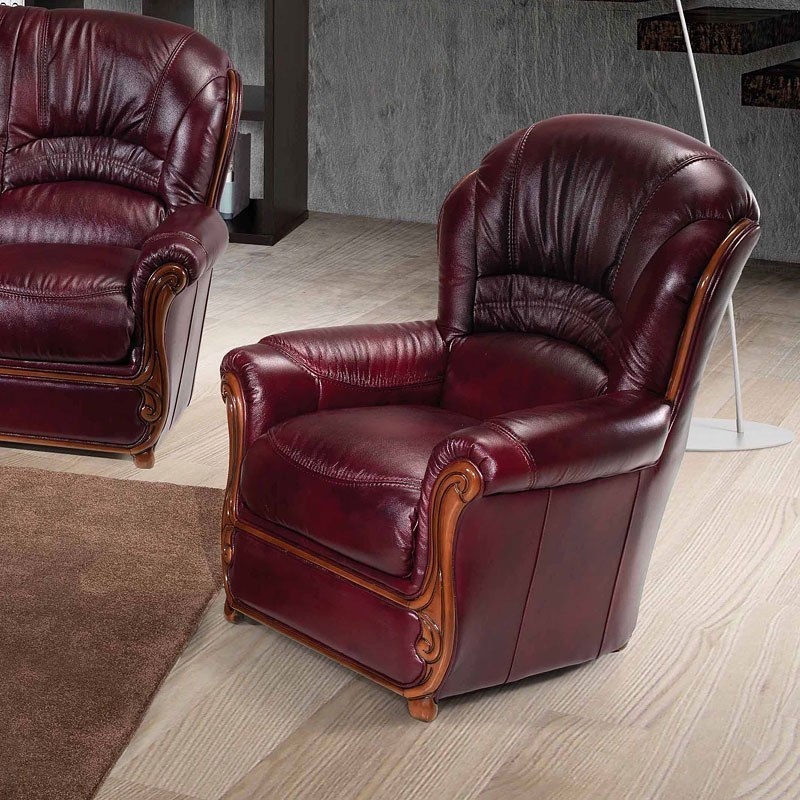
The Timeless Elegance of Italian Leather Chairs, A Perfect Blend of Style and Comfort, is a testament to centuries of craftsmanship and design innovation. From the rich history of Italian leatherworking to the meticulous techniques employed in creating these iconic pieces, this exploration delves into the artistry, materials, and enduring appeal of Italian leather chairs. We’ll examine the evolution of design, the diverse construction methods, and the role these chairs play in enhancing interior spaces, providing a comprehensive overview of their unique allure.
This journey will cover the evolution of Italian chair design, exploring key periods and influential styles. We will delve into the superior quality of the leathers used, the sustainable and ethical sourcing practices, and the diverse construction methods that set these chairs apart. The aesthetic aspects, from color and texture to form and function, will be analyzed, alongside a discussion of ergonomics and comfort. Finally, we’ll explore how these chairs can transform various interior design styles, offering practical tips on care and maintenance to ensure their longevity.
The History and Heritage of Italian Leather Chairmaking
The artistry of Italian leather chairmaking boasts a rich history deeply intertwined with the nation’s cultural and economic evolution. From humble beginnings to its current position as a global benchmark for quality and style, the craft has been shaped by centuries of innovation, artistic influence, and a dedication to time-honored techniques. This journey reveals not just the evolution of furniture design, but also the enduring spirit of Italian craftsmanship.
Italian leather chair design has evolved significantly throughout history, reflecting prevailing aesthetic trends and technological advancements. Early examples, often found in aristocratic settings, showcased simple, sturdy designs prioritizing functionality and durability. The Renaissance period, however, saw a dramatic shift towards ornate detailing, intricate carvings, and the incorporation of luxurious materials like gilded wood and richly colored leathers. This era emphasized opulence and reflected the burgeoning artistic and cultural dynamism of the time.
The Renaissance and Baroque Influences on Italian Leather Chair Design
The Renaissance (roughly 14th-16th centuries) and Baroque (17th-18th centuries) periods profoundly impacted Italian furniture design. Renaissance chairs, while still emphasizing functionality, began incorporating more elaborate carvings and decorative elements. The use of leather upholstery, often richly colored and embossed, became increasingly common, adding a touch of luxury and comfort. Baroque designs further amplified this trend, showcasing highly ornate frames, elaborate curves, and luxurious materials. Think of chairs with deeply sculpted wood frames, adorned with gilded accents and upholstered in deep reds, greens, or gold-toned leathers. These pieces were often symbols of status and wealth, reflecting the grandeur of the period.
Iconic Italian Leather Chairs: Examples Across Eras
Several iconic Italian leather chairs exemplify the evolution of the craft. While pinpointing specific “named” chairs from earlier periods is challenging due to limited documentation, we can analyze stylistic trends. For instance, a hypothetical Renaissance-era chair might feature a sturdy, carved walnut frame, perhaps with a high back and armrests, upholstered in deep crimson leather. The leather would likely be relatively plain, its quality speaking for itself, rather than relying on excessive ornamentation. In contrast, a hypothetical Baroque-era chair might exhibit a more dramatic, curvilinear form, possibly with elaborate scrollwork and gilded accents on the frame, upholstered in a similarly rich leather, perhaps embossed with a repeating pattern. The transition from the relatively restrained elegance of the Renaissance to the exuberant extravagance of the Baroque is clearly visible in the design. Moving into the 20th century, designers like Gio Ponti integrated modern aesthetics, incorporating clean lines and streamlined forms, often using supple, high-quality leather in neutral tones.
Traditional Techniques in Italian Leather Chairmaking
The creation of a high-quality Italian leather chair is a meticulous process, demanding exceptional skill and expertise. Traditional techniques, often passed down through generations of artisans, remain central to the craft. These include the careful selection and preparation of the leather, using vegetable tanning methods that produce a durable, supple material with a rich patina that deepens with age. The precise cutting and stitching of the leather, ensuring a perfect fit and a flawless finish, are also crucial. The construction of the chair frame, often using carefully selected hardwoods, requires skilled carpentry and joinery. Finally, the assembly of the chair, combining the leather upholstery with the wooden frame, is a testament to the artisan’s skill and precision. This intricate process results in a chair that is not merely functional, but also a work of art, reflecting the enduring legacy of Italian craftsmanship.
The Materials and Craftsmanship
The enduring appeal of Italian leather chairs lies not only in their elegant designs but also in the exceptional quality of materials and the meticulous craftsmanship involved in their creation. From the selection of hides to the final stitching, each stage reflects a dedication to both artistry and durability.
The superior quality of Italian leather chairs stems directly from the careful selection and preparation of the leather itself. Various types of leather are employed, each possessing unique characteristics that contribute to the chair’s final look and feel.
Leather Types and Their Characteristics
Full-grain leather, prized for its natural texture and durability, is often the material of choice for high-end Italian leather chairs. This type of leather retains the original grain of the hide, showcasing its natural markings and imperfections, which are considered hallmarks of quality. Top-grain leather, while slightly less expensive, still offers good durability and a smooth surface. It undergoes a light sanding process to remove imperfections, resulting in a more uniform appearance. Corrected-grain leather, a more affordable option, has its top layer sanded and then coated with a pigment to create a uniform look. While less durable than full-grain or top-grain, it offers a consistent finish. The choice of leather type ultimately depends on the desired aesthetic and budget.
Tanning and Leather Preparation
The tanning process is crucial in determining the leather’s final properties. Traditional vegetable tanning, a time-honored method, uses natural tannins derived from plant extracts like tree bark. This process is environmentally friendly and results in leather that ages gracefully, developing a rich patina over time. Chrome tanning, a more modern and faster method, uses chromium salts to achieve a more consistent and durable finish. However, concerns regarding the environmental impact of chromium have led many Italian manufacturers to prioritize vegetable tanning, aligning with growing demands for sustainable and ethical sourcing. The preparation stage involves careful cleaning, conditioning, and finishing to ensure the leather is ready for the chair’s construction. This might include processes like dyeing, buffing, and embossing to achieve the desired color, texture, and pattern.
Construction Methods
Italian leather chair construction employs a variety of techniques, blending traditional methods with modern advancements. The choice of construction method often influences the chair’s durability, comfort, and overall aesthetic.
| Construction Method | Description | Advantages | Disadvantages |
|---|---|---|---|
| Hand-Stitching | Leather pieces are sewn together using needles and thread by skilled artisans. | Exceptional durability and a unique aesthetic appeal; allows for intricate designs. | Labor-intensive and more expensive; slower production. |
| Machine Stitching | Leather pieces are sewn together using industrial sewing machines. | Faster production; more consistent stitching; often more affordable. | May lack the handcrafted look and feel of hand-stitching; potential for less durability in some cases. |
| Solid Wood Frame Construction | The chair’s frame is built using solid hardwood, often beech or oak, known for its strength and durability. | Provides exceptional structural integrity and longevity; contributes to the chair’s overall weight and stability. | More expensive; requires skilled carpentry. |
| Metal Frame Construction | The chair’s frame is constructed using metal, often steel or aluminum. | Lightweight and often less expensive than solid wood frames; can be easily molded into different shapes. | May not offer the same level of warmth and character as wood; potential for less durability in some cases. |
Design and Aesthetics of Italian Leather Chairs
The timeless elegance of Italian leather chairs stems from a masterful blend of traditional craftsmanship and innovative design. These chairs aren’t merely functional seating; they are sculptural pieces that elevate any space, reflecting both the rich heritage of Italian artistry and a contemporary understanding of form and function. Their enduring appeal lies in the careful consideration of design elements, from the selection of leather to the subtle curves of the frame.
The enduring appeal of Italian leather chairs is rooted in their ability to seamlessly integrate classic and modern design elements. Different styles showcase the versatility and adaptability of the craft, demonstrating the ongoing evolution of Italian design philosophy. The use of color, texture, and form further enhances the visual impact, creating chairs that are both visually stunning and deeply comfortable.
Classic Italian Leather Chair Design
Classic Italian leather chair designs often evoke a sense of old-world charm and sophistication. They typically feature clean lines, simple silhouettes, and a focus on high-quality materials and impeccable craftsmanship. The emphasis is on creating a chair that is both durable and aesthetically pleasing, capable of withstanding the test of time. These chairs often incorporate traditional joinery techniques and may feature details like nailhead trim or subtly carved wooden legs.
- Example 1: A classic Chesterfield chair, characterized by its deep button tufting, rolled arms, and low seat. Imagine a rich, dark brown leather, perfectly complementing the polished mahogany frame.
- Example 2: A wingback chair, with its high back and protective side wings, offering both comfort and a stately presence. Picture a warm, honey-colored leather, subtly aged for a vintage appeal.
Modern and Contemporary Italian Leather Chair Design
Modern and contemporary Italian leather chair designs often embrace minimalism and clean lines, while still retaining the quality and craftsmanship associated with traditional styles. Modern designs may incorporate innovative materials and manufacturing techniques, alongside a focus on functionality and ergonomics. Contemporary designs often push boundaries, experimenting with unconventional forms and incorporating bold colors and textures.
- Example 1: A minimalist armchair with a sleek, low-profile design. The chair might be upholstered in a smooth, light grey leather, emphasizing its clean lines and modern aesthetic. The frame could be made of brushed steel, adding a contemporary touch.
- Example 2: An avant-garde chair with an unconventional shape and bold color choices. Imagine a vibrant turquoise leather combined with a uniquely shaped wooden base. The overall effect is both striking and sophisticated.
The Role of Color, Texture, and Form
The visual appeal of Italian leather chairs is significantly enhanced by the careful selection of color, texture, and form. Color choices range from classic neutrals like brown and black to more vibrant hues, allowing for customization to match individual tastes and interior design styles. Leather textures vary widely, from smooth and supple to heavily textured and distressed, each offering a unique visual and tactile experience. The form of the chair itself, from its overall silhouette to the subtle curves and angles, contributes significantly to its aesthetic impact. The interplay of these elements creates chairs that are visually captivating and deeply satisfying.
Comfort and Ergonomics
The enduring appeal of Italian leather chairs extends beyond their aesthetic beauty; their comfort and ergonomic design are paramount to their enduring popularity. Masterful craftsmanship and thoughtful design choices contribute to a seating experience that prioritizes both relaxation and proper posture. The inherent qualities of the materials, combined with innovative construction techniques, result in chairs that provide exceptional support and alleviate the strain often associated with prolonged sitting.
The design and construction of Italian leather chairs significantly impact their comfort and ergonomic properties. The use of high-quality leather, known for its suppleness and breathability, allows for a comfortable seating experience that adapts to the user’s body. Furthermore, the meticulous attention to detail in the construction process ensures that the chair’s structure provides optimal support for the spine and promotes proper posture. The skilled artisans involved in the crafting of these chairs understand the importance of precise stitching, robust frames, and strategically placed padding to achieve a balance between comfort and support. The padding itself is often strategically layered, using materials of varying densities to provide targeted support where needed, such as in the lumbar region.
Innovative Design Features Enhancing Comfort and Support
Several innovative design features contribute to the superior comfort and support offered by Italian leather chairs. For instance, many models incorporate adjustable features, such as reclining backrests and adjustable headrests, allowing users to customize their seating position for optimal comfort. The use of ergonomic lumbar support systems, often built into the chair’s design, provides crucial support for the lower back, helping to maintain proper spinal alignment and reducing discomfort during extended periods of sitting. Some chairs even incorporate features like integrated footrests, enhancing overall comfort and promoting relaxation. These adjustable elements allow the chair to adapt to individual needs and preferences, contributing to a more personalized and comfortable experience. Furthermore, the use of high-density foam cushioning, combined with carefully selected leather, provides a luxurious and supportive seating experience that molds to the user’s body over time.
Proper Posture and Seating Ergonomics in Italian Leather Chair Design
Proper posture and seating ergonomics are central to the design philosophy of high-quality Italian leather chairs. The chairs are designed to promote a natural spinal alignment, reducing strain on the back, neck, and shoulders. This is achieved through a combination of factors, including the chair’s overall shape, the support provided by the backrest and lumbar support, and the seat’s depth and angle. The careful consideration of these elements ensures that the chair encourages users to sit upright with a natural curvature of the spine, minimizing the risk of developing back pain or other musculoskeletal issues associated with prolonged sitting. The design prioritizes a supportive and comfortable seating experience that promotes good posture and contributes to overall well-being. For example, the curvature of the backrest often mirrors the natural curvature of the spine, providing targeted support and promoting healthy posture.
The Role of Italian Leather Chairs in Interior Design
Italian leather chairs, renowned for their exquisite craftsmanship and timeless appeal, seamlessly integrate into diverse interior design schemes, enhancing both aesthetics and functionality. Their versatility allows them to serve as statement pieces or subtle complements, adapting to various styles and creating a unique ambiance within any space. The inherent luxury of the leather and the meticulous detailing of the chair’s construction contribute to an elevated sense of sophistication and comfort.
The adaptability of Italian leather chairs stems from the wide array of styles, colors, and sizes available. From minimalist designs with clean lines to ornate, traditionally styled chairs, there is a perfect Italian leather chair to complement any existing décor or to serve as a foundation for a new design concept. The enduring quality of these chairs also makes them a worthwhile investment, adding value and character to a home over time.
Italian Leather Chairs in Minimalist Settings
A minimalist living room, characterized by its clean lines, neutral color palette, and uncluttered space, can be beautifully complemented by a sleek, modern Italian leather chair. Imagine a spacious room with white walls, light oak flooring, and a single, dark brown leather armchair positioned near a large window overlooking a cityscape. The chair’s simple yet elegant design, perhaps featuring a low profile and minimal stitching, becomes a focal point without overwhelming the room’s minimalist aesthetic. A simple, low-slung coffee table made of polished concrete or light wood would further enhance the clean lines of the space. The overall ambiance is one of understated elegance and calm sophistication. The color palette is restricted to neutral tones – whites, greys, and browns – creating a sense of tranquility and spaciousness.
Italian Leather Chairs in Traditional Interiors
In a traditional setting, a richly colored and intricately detailed Italian leather chair can add a touch of old-world charm and opulence. Picture a study lined with dark wood bookshelves, filled with leather-bound volumes. A deep burgundy or emerald green Italian leather armchair, featuring elaborate stitching and perhaps even nailhead trim, sits comfortably in front of a roaring fireplace. A Persian rug anchors the seating area, adding warmth and texture. The walls are adorned with classical artwork, and a heavy oak writing desk completes the scene. The overall ambiance is one of rich warmth, history, and quiet contemplation. The deep, saturated colors of the chair and the surrounding furnishings create a feeling of luxury and comfort.
Italian Leather Chairs in Eclectic Spaces
An eclectic interior, characterized by a mix of styles and periods, offers an exciting opportunity to showcase the versatility of Italian leather chairs. Consider a living room that blends mid-century modern elements with vintage finds and contemporary art. A vibrant teal Italian leather armchair, with a slightly retro design, could be placed amongst a collection of mismatched vintage furniture, including a mid-century modern coffee table and a vintage Persian rug. The walls could feature a gallery wall of diverse artwork, showcasing a mix of styles and eras. The overall ambiance is one of playful sophistication and creative energy. The unexpected pairing of the Italian leather chair with other diverse pieces creates a unique and visually stimulating space, showcasing the chair’s ability to adapt to a variety of styles.
Caring for and Maintaining Italian Leather Chairs
Investing in an Italian leather chair is an investment in enduring style and comfort. However, to ensure your chair remains a cherished piece for years to come, proper care and maintenance are essential. This section details the necessary steps to preserve the beauty and longevity of your Italian leather heirloom.
Cleaning Italian Leather Chairs
Regular cleaning is crucial for preventing dirt and grime from accumulating and damaging the leather. Avoid harsh chemicals and abrasive cleaners which can strip the leather of its natural oils, leading to dryness and cracking. Instead, opt for a specialized leather cleaner designed for delicate materials. Begin by gently dusting the chair with a soft, dry cloth to remove loose dust and debris. For more stubborn stains, apply a small amount of the leather cleaner to a clean, soft cloth and gently blot the affected area, avoiding harsh rubbing. Always test the cleaner in an inconspicuous area first to ensure it doesn’t discolor the leather. After cleaning, allow the leather to air dry completely away from direct sunlight or heat sources.
Conditioning Italian Leather Chairs
Leather, like our skin, needs hydration to stay supple and prevent cracking. Regular conditioning helps replenish the leather’s natural oils, maintaining its softness and flexibility. Choose a high-quality leather conditioner specifically formulated for the type of leather your chair is made from (e.g., full-grain, top-grain). Apply a small amount of conditioner to a clean cloth and gently rub it into the leather in a circular motion. Avoid over-applying, as this can leave the leather feeling greasy. Allow the conditioner to absorb completely before using the chair. Conditioning should be done every few months, or more frequently depending on the climate and usage.
Protecting Italian Leather Chairs
Protecting your Italian leather chair from the elements and everyday wear and tear is paramount to its longevity. Avoid placing the chair in direct sunlight, as prolonged exposure can cause fading and drying. Similarly, keep it away from heat sources such as fireplaces and radiators. Consider using protective covers or throws when the chair is not in use to shield it from dust, spills, and scratches. For high-traffic areas, placing protective mats beneath the chair’s legs can help prevent scratches on the floor and reduce wear and tear on the chair’s base. Regularly inspect the chair for any signs of damage and address them promptly to prevent further deterioration.
Preventing Damage and Extending Lifespan
Preventing damage is far easier than repairing it. Avoid placing sharp objects on the chair’s surface, and be mindful of pets’ claws and children’s toys. Immediately clean up any spills to prevent staining. For minor scratches, a specialized leather repair kit may be used, but for significant damage, professional restoration is recommended. Maintaining a consistent humidity level in the room where the chair is located can also help prevent cracking and drying. Rotating the chair periodically can also help distribute wear evenly across the surface.
Closing Notes
In conclusion, the timeless elegance of Italian leather chairs is a captivating blend of artistry, craftsmanship, and enduring style. Their rich history, superior materials, and commitment to comfort ensure their continued prominence in the world of interior design. From classic to contemporary styles, these chairs offer a unique opportunity to infuse any space with sophistication and lasting quality, serving as both functional seating and exquisite works of art. Investing in an Italian leather chair is an investment in enduring style and lasting comfort, a legacy of quality that will be appreciated for generations.