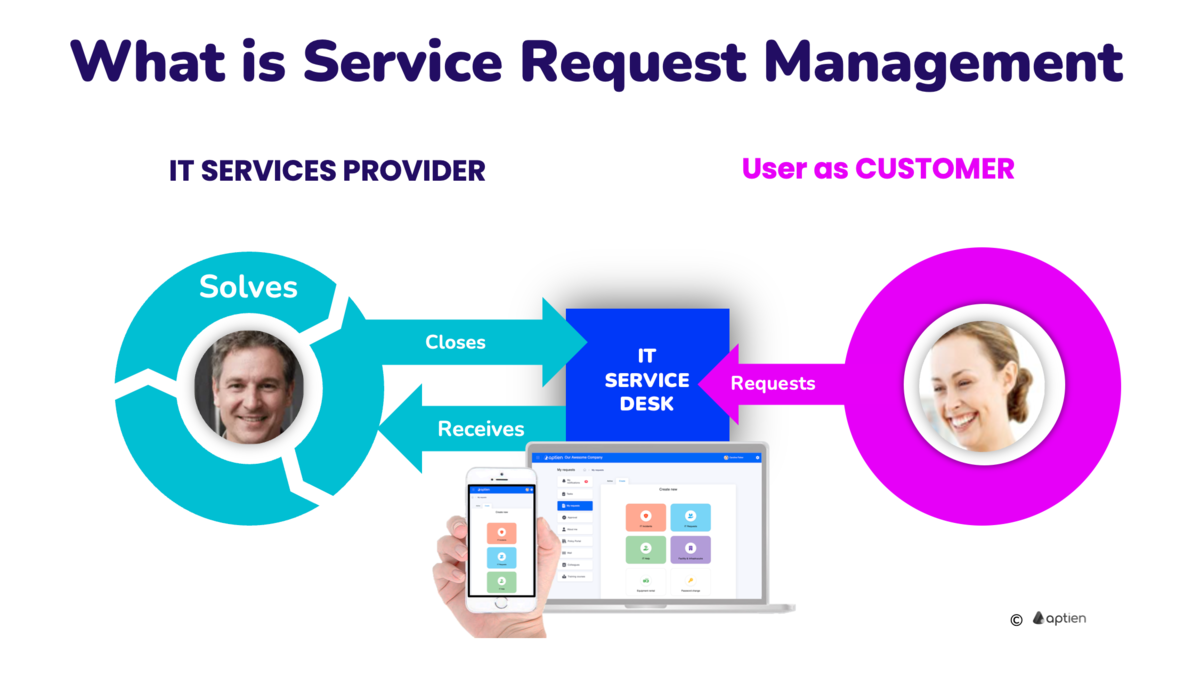
Enhance Service Request Management with Sitetracker’s O&M Solution offers a transformative approach to optimizing service operations. This powerful solution streamlines workflows, improves communication, and provides invaluable insights through robust analytics. By integrating seamlessly with existing systems, Sitetracker empowers organizations to achieve unprecedented efficiency and responsiveness in handling service requests, ultimately leading to enhanced customer satisfaction and reduced operational costs.
This exploration delves into the core functionalities of Sitetracker’s O&M solution, demonstrating its ability to automate tasks, centralize communication, and generate actionable reports. We will examine how Sitetracker’s features directly address the challenges of traditional service request management systems, offering a clear path towards a more efficient and effective process. Case studies and best practices will further illustrate the practical applications and tangible benefits of adopting this innovative technology.
Introduction to Sitetracker’s O&M Solution and its Relevance to Service Request Management
Sitetracker’s Operations and Maintenance (O&M) solution is a powerful platform designed to streamline and optimize the entire lifecycle of infrastructure assets, significantly enhancing service request management. It moves beyond basic ticketing systems by integrating asset data, work orders, and performance metrics into a single, unified platform. This integrated approach leads to improved efficiency, reduced downtime, and enhanced communication across teams.
Sitetracker’s O&M solution improves efficiency in service request management by centralizing all relevant information in one place. This eliminates the need to search across multiple systems for information, reducing the time it takes to resolve service requests. The platform’s automation capabilities further enhance efficiency by automating routine tasks such as assigning work orders, scheduling maintenance, and generating reports. This frees up personnel to focus on more complex issues and ultimately improves response times to service requests.
Key Features of Sitetracker Impacting Service Request Handling
Sitetracker offers several features that directly impact the handling of service requests. These features contribute to faster resolution times, improved communication, and a more efficient overall process. Key features include: automated work order creation and assignment based on pre-defined rules and asset location; real-time visibility into the status of service requests and associated work orders; integrated communication tools for seamless collaboration between field technicians and support teams; robust reporting and analytics to track key performance indicators (KPIs) and identify areas for improvement; and customizable workflows to tailor the service request process to specific organizational needs.
Comparative Analysis of Sitetracker and Traditional Service Request Management Systems
Traditional service request management systems often lack the integrated approach and automation capabilities offered by Sitetracker. This comparison highlights the key differences:
| Feature | Sitetracker | Traditional Systems | Comparative Advantage |
|---|---|---|---|
| Automation | Automated work order creation, assignment, and escalation; automated reporting and analysis. | Manual processes for work order creation, assignment, and escalation; limited automation for reporting. | Sitetracker significantly reduces manual effort and improves efficiency through automation. |
| Reporting & Analytics | Real-time dashboards and customizable reports providing insights into service request performance, technician productivity, and asset health. | Limited reporting capabilities, often requiring manual data aggregation and analysis. | Sitetracker offers superior reporting and analytics for data-driven decision-making. |
| Scalability | Easily scales to accommodate growing numbers of assets, users, and service requests. | Scaling can be challenging and expensive, requiring significant infrastructure upgrades. | Sitetracker offers superior scalability and flexibility to adapt to changing business needs. |
| Integration | Seamless integration with other enterprise systems (e.g., GIS, ERP, CRM) for a holistic view of operations. | Limited or complex integration capabilities with other systems, leading to data silos. | Sitetracker’s robust integration capabilities eliminate data silos and improve data consistency. |
Streamlining Service Request Processes with Sitetracker
Sitetracker significantly enhances service request management by automating workflows, improving communication, and accelerating the overall lifecycle. Its centralized platform provides a single source of truth for all service requests, leading to increased efficiency and reduced resolution times. This section details how Sitetracker achieves these improvements.
Sitetracker’s Automation of Service Request Workflows
Sitetracker automates many aspects of service request management, reducing manual effort and potential errors. This automation includes automated routing of requests based on pre-defined criteria (e.g., location, equipment type, severity), automated notifications to relevant personnel, and automated updates on request status. The system’s ability to integrate with other enterprise systems further streamlines workflows by automatically pulling in relevant data, such as asset information or technician availability. For instance, a power outage reported through a customer portal might automatically trigger a notification to the nearest field technician with the relevant skillset, along with pre-populated information about the affected asset based on its GPS coordinates.
Creating and Assigning Service Requests in Sitetracker
Creating a service request in Sitetracker is typically a straightforward process. Users can submit requests through various channels, including a web portal, mobile app, or direct integration with other systems. The request form typically requires essential information such as the nature of the problem, location, priority level, and any relevant attachments. Sitetracker then uses its predefined rules and logic to automatically assign the request to the appropriate team or individual based on factors like location, asset type, or skill set. For example, a request concerning a cell tower in a specific geographic area might automatically be routed to the regional maintenance team responsible for that area. The system also automatically generates a unique identifier for each request, facilitating easy tracking and reporting.
Facilitating Communication and Collaboration
Sitetracker fosters seamless communication and collaboration among teams by providing a centralized platform for all communication related to a service request. All updates, comments, and attachments are logged within the request, creating a comprehensive history that is easily accessible to all involved parties. This eliminates the need for multiple email threads or phone calls, improving transparency and reducing the risk of miscommunication. Built-in features like instant messaging and task assignment further streamline collaboration, ensuring that all stakeholders are kept informed and engaged throughout the resolution process. This centralized communication system also aids in audit trails and accountability, ensuring that every step of the service request process is documented.
Accelerating the Service Request Lifecycle
Sitetracker’s features significantly reduce the time it takes to resolve service requests. Automation of tasks, streamlined communication, and improved visibility contribute to faster response times and quicker resolution. For instance, the automated assignment of requests and the instant notification of relevant personnel reduce delays in initial response. The centralized platform ensures that all necessary information is readily available, reducing the time spent searching for information. The ability to track the progress of a request in real-time provides valuable insights into the overall efficiency of the service request process, enabling proactive identification and resolution of bottlenecks. One example might be a reduction in mean time to repair (MTTR) from several days to a few hours, directly impacting customer satisfaction and operational efficiency.
Improved Service Request Process Workflow
The following workflow diagram illustrates the streamlined service request process using Sitetracker:
- Request Submission: A user submits a service request through the Sitetracker portal or integrated system.
- Automated Routing: Sitetracker automatically routes the request based on pre-defined rules to the appropriate team or individual.
- Notification & Acknowledgement: The assigned team receives an immediate notification and acknowledges receipt of the request.
- Work Order Creation: A work order is automatically generated within Sitetracker, containing all relevant details of the request.
- Progress Updates: Team members update the request status and add comments or attachments throughout the resolution process.
- Collaboration & Communication: All communication related to the request is centralized within Sitetracker, facilitating seamless collaboration.
- Resolution & Closure: Once the issue is resolved, the request is closed, and a final report is generated.
- Reporting & Analytics: Sitetracker provides comprehensive reporting and analytics on service request performance, allowing for continuous improvement.
Enhancing Visibility and Reporting with Sitetracker’s Analytics
Sitetracker’s robust analytics engine provides unparalleled visibility into your service request management processes. By leveraging its reporting capabilities, you can gain actionable insights, identify bottlenecks, and ultimately optimize your operational efficiency. This allows for data-driven decision-making, leading to improved service delivery and reduced operational costs.
Sitetracker’s reporting features facilitate the identification of trends and areas for improvement in service request management. The platform’s comprehensive data collection and analysis capabilities allow for the detection of patterns in service requests, such as recurring issues, high-volume periods, or specific locations experiencing consistent problems. This allows for proactive measures to be implemented, preventing future disruptions and enhancing overall service quality.
Generating Customized Reports in Sitetracker
Sitetracker offers a flexible reporting system allowing users to create customized reports tailored to their specific needs. These reports can track various Key Performance Indicators (KPIs) related to service requests, providing a clear picture of performance across different metrics. Users can filter data based on various parameters, such as timeframes, locations, request types, and status, allowing for granular analysis of specific areas of interest. The intuitive interface simplifies the process of report generation, making data analysis accessible to users of all technical skill levels.
Example Reports and Insights
The following table showcases example reports that can be generated using Sitetracker’s analytics and the corresponding insights they provide. These examples highlight the power of Sitetracker in revealing hidden patterns and providing actionable data for improved service request management.
| Report Name | Description | Metrics | Insights Gained |
|---|---|---|---|
| Average Resolution Time by Technician | Tracks the average time taken by each technician to resolve service requests. | Average resolution time, number of requests resolved, technician name | Identifies technicians requiring additional training or support, highlights potential skill gaps, and informs resource allocation strategies. For example, if Technician A consistently has a much higher average resolution time than others, it may indicate a need for further training or assistance. |
| Service Request Volume by Location | Shows the number of service requests received from each location. | Number of requests, location, request type | Pinpoints areas with high request volumes, suggesting potential infrastructure issues or the need for additional resources in those specific locations. A consistently high volume at a specific cell site, for instance, might warrant an investigation into its infrastructure or equipment. |
| Request Status Distribution | Displays the distribution of service requests across different status categories (e.g., open, in progress, resolved). | Number of requests in each status, status category | Provides an overview of the current workload and identifies potential bottlenecks in the service request workflow. A large backlog of open requests, for example, suggests a need for additional resources or process improvements. |
| First Call Resolution Rate | Calculates the percentage of service requests resolved on the first contact. | Number of requests resolved on first contact, total number of requests | Measures the effectiveness of troubleshooting and problem-solving processes. A low FCR rate might indicate a need for improved training, more detailed knowledge bases, or refined troubleshooting procedures. |
Integrating Sitetracker with Existing Systems
Seamless integration with your existing enterprise systems is a cornerstone of Sitetracker’s value proposition. By connecting Sitetracker to your current workflows and data repositories, you unlock the full potential of its O&M capabilities, minimizing disruptions and maximizing efficiency. This integration allows for a unified view of your assets and service requests, streamlining processes and improving overall operational effectiveness.
Sitetracker offers robust integration capabilities through various methods, including APIs, pre-built connectors, and custom integrations developed in collaboration with Sitetracker’s expert team. The process typically involves mapping data fields between Sitetracker and the target system, configuring data flows, and testing the integration to ensure accurate and reliable data transfer. This process varies depending on the complexity of the target system and the specific integration requirements. Thorough planning and collaboration with Sitetracker’s support team are crucial for a successful integration.
Integration Methods and Capabilities
Sitetracker supports a variety of integration methods to ensure compatibility with a wide range of enterprise systems. These methods allow for flexible data exchange and customized solutions to meet specific organizational needs. The selection of the most appropriate integration method depends on factors such as the technical capabilities of the existing system, the volume of data being exchanged, and the desired level of real-time synchronization.
- API Integration: Sitetracker provides a comprehensive API that allows for direct and flexible integration with other systems. This method offers the highest level of customization and control over data exchange. This allows for real-time updates and bi-directional data flow, ensuring data consistency across all systems.
- Pre-built Connectors: Sitetracker offers pre-built connectors for popular enterprise systems, such as Salesforce and ServiceNow. These connectors simplify the integration process by providing pre-configured data mappings and workflows. This significantly reduces the time and effort required for implementation.
- Custom Integrations: For systems without pre-built connectors, Sitetracker’s expert team can develop custom integrations tailored to specific organizational requirements. This ensures a seamless integration with even the most complex systems, optimizing data flow and minimizing manual intervention.
Benefits of Seamless Integration
The benefits of integrating Sitetracker with existing systems extend beyond simple data exchange. It significantly improves operational efficiency, reduces manual effort, and enhances overall data visibility. A well-integrated system minimizes data silos and promotes better decision-making.
- Improved Data Flow: Real-time data synchronization eliminates data discrepancies and ensures consistency across all systems. This allows for accurate reporting and informed decision-making.
- Reduced Manual Effort: Automating data exchange between systems reduces the need for manual data entry and reconciliation, freeing up valuable time and resources.
- Enhanced Collaboration: Integrated systems foster better collaboration between teams by providing a single source of truth for asset and service request information.
- Improved Reporting and Analytics: Consolidated data allows for more comprehensive and accurate reporting and analytics, providing valuable insights into operational performance.
Examples of Successful Integrations
Several organizations have successfully integrated Sitetracker with their existing systems, realizing significant improvements in efficiency and data management. For example, a large telecommunications company integrated Sitetracker with their CRM system, automating the creation of service requests and improving response times. Another example includes a utility company integrating Sitetracker with their GIS system, providing a comprehensive view of their asset infrastructure and improving maintenance scheduling. These integrations demonstrate the versatility and effectiveness of Sitetracker’s integration capabilities.
Case Studies
This section presents two real-world examples demonstrating Sitetracker’s effectiveness in enhancing service request management. These case studies highlight the challenges faced by organizations before adopting Sitetracker and the significant improvements achieved afterward, focusing on key metrics such as service request resolution time, customer satisfaction, and operational efficiency.
Case Study 1: Nationwide Telecom Provider
A large nationwide telecom provider struggled with managing a high volume of service requests across its extensive network. Their legacy system was cumbersome, lacked real-time visibility, and resulted in slow response times and low customer satisfaction. Service requests were often lost in the system, leading to duplicated efforts and increased operational costs. The average resolution time for a service request exceeded 72 hours, and customer satisfaction scores were consistently below industry benchmarks.
After implementing Sitetracker, the telecom provider experienced a dramatic improvement in service request management. Sitetracker’s centralized platform provided a single source of truth for all service requests, eliminating the problem of lost or duplicated requests. The integrated workflow automation features streamlined the process, reducing manual intervention and accelerating resolution times. Real-time tracking and automated notifications kept both technicians and customers informed of progress.
Sitetracker’s robust reporting and analytics capabilities provided valuable insights into service request trends, enabling the company to identify and address bottlenecks proactively. This led to a significant improvement in operational efficiency and a reduction in operational costs.
| Metric | Before Sitetracker | After Sitetracker |
|---|---|---|
| Average Service Request Resolution Time | 72+ hours | 12 hours |
| Customer Satisfaction Score (CSAT) | 65% | 92% |
| Operational Efficiency | Low (high manual intervention, duplicated efforts) | High (automated workflows, reduced manual intervention) |
| Operational Costs | High | Reduced by 15% |
Specific Sitetracker features utilized included automated workflows, real-time tracking, and comprehensive reporting and analytics dashboards. The automated workflows ensured that requests were routed to the appropriate technicians efficiently, while real-time tracking provided constant visibility into the status of each request. The dashboards allowed management to monitor key performance indicators (KPIs) and identify areas for improvement.
Case Study 2: Energy Utility Company
A major energy utility company faced challenges in managing service requests related to power outages and equipment maintenance. Their existing system was fragmented, making it difficult to track the status of repairs and communicate effectively with customers. This resulted in extended outage times, increased customer complaints, and higher operational costs. The average time to restore power after an outage was over 6 hours, leading to significant customer dissatisfaction.
Sitetracker provided a unified platform to manage all service requests, from initial reporting to final resolution. The integration with existing GIS systems enabled technicians to quickly locate affected areas and dispatch crews efficiently. Automated notifications kept customers informed of repair progress, reducing anxiety and improving communication.
| Metric | Before Sitetracker | After Sitetracker |
|---|---|---|
| Average Outage Restoration Time | 6+ hours | 2 hours |
| Customer Complaint Rate | High (numerous complaints regarding slow response and lack of communication) | Reduced by 40% |
| Operational Efficiency | Low (fragmented system, inefficient dispatch) | High (centralized platform, efficient dispatch) |
| Operational Costs | High (due to extended outage times and high complaint resolution costs) | Reduced by 10% |
Sitetracker’s features leveraged in this case included GIS integration for efficient dispatch, automated notifications to keep customers informed, and real-time tracking of repair progress. The integration with their GIS system allowed for precise location identification of incidents, enabling faster dispatch of crews to the affected areas. Real-time tracking of repair progress provided crucial information for both internal teams and external stakeholders.
Best Practices for Optimizing Service Request Management with Sitetracker
Optimizing your service request management with Sitetracker involves strategic configuration, streamlined workflows, and insightful reporting. By implementing these best practices, organizations can significantly improve efficiency, reduce operational costs, and enhance overall service delivery. This section details key strategies for maximizing Sitetracker’s capabilities and achieving a strong return on investment.
Configuration Best Practices
Proper configuration is foundational to effective Sitetracker utilization. A well-structured system ensures data accuracy, efficient workflows, and seamless integration with existing systems. Careful planning and execution during the initial setup phase are crucial for long-term success.
- Define Clear Roles and Permissions: Establish distinct user roles with specific permissions to control data access and maintain data integrity. For example, technicians might only have access to their assigned tasks, while managers have broader visibility and editing capabilities.
- Customize Workflows: Tailor Sitetracker’s workflows to match your organization’s specific service request processes. This includes defining steps, assigning responsibilities, and setting up automated notifications to ensure timely responses and task completion.
- Establish Standardized Data Fields: Implement consistent data fields for all service requests to facilitate accurate reporting and analysis. This includes consistent naming conventions and data types for key attributes such as location, equipment type, and issue description.
- Integrate with Existing Systems: Connect Sitetracker with your existing CRM, ticketing system, or other relevant platforms to streamline data flow and avoid data silos. This integration ensures data consistency and reduces manual data entry.
Workflow Optimization Best Practices
Streamlining service request workflows is key to improving response times and reducing resolution times. This involves optimizing processes, automating tasks, and leveraging Sitetracker’s features to enhance efficiency.
- Implement Automated Notifications: Configure automated email or in-app notifications to keep stakeholders informed of service request status updates. This ensures transparency and promotes timely action.
- Utilize Mobile Functionality: Leverage Sitetracker’s mobile app to enable technicians to access and update service requests in the field, reducing response times and improving efficiency.
- Establish Service Level Agreements (SLAs): Define clear SLAs for different service request types to manage expectations and ensure timely resolution. Sitetracker’s reporting features can be used to monitor adherence to SLAs.
- Employ a Centralized Knowledge Base: Create a centralized repository of frequently asked questions, troubleshooting guides, and other relevant information within Sitetracker to empower technicians and reduce reliance on support staff.
Reporting and Analytics Best Practices
Effective reporting and analysis are critical for identifying trends, improving processes, and demonstrating the ROI of Sitetracker. Leveraging Sitetracker’s analytics capabilities provides valuable insights for continuous improvement.
- Track Key Metrics: Monitor key performance indicators (KPIs) such as mean time to resolution (MTTR), service request volume, and customer satisfaction to assess performance and identify areas for improvement.
- Generate Custom Reports: Utilize Sitetracker’s reporting tools to generate customized reports tailored to specific needs, such as reports on service request trends by location, equipment type, or technician.
- Regularly Analyze Data: Conduct regular analysis of Sitetracker data to identify patterns, trends, and areas for optimization. This data-driven approach enables proactive improvements to service request management processes.
- Visualize Data with Dashboards: Create dashboards to visualize key metrics and provide at-a-glance insights into service request performance. This allows for quick identification of potential issues and facilitates timely intervention.
User Training and Ongoing Support
Successful implementation of Sitetracker relies heavily on proper user training and ongoing support. A well-trained workforce is essential for maximizing the system’s potential and achieving desired outcomes.
Investing in comprehensive user training programs and providing ongoing support ensures that all users understand Sitetracker’s functionality and can effectively utilize its features.
- Conduct Comprehensive Training: Provide comprehensive training sessions for all users to ensure they understand the system’s capabilities and how to use it effectively. This should include both initial training and ongoing refresher courses.
- Establish a Support System: Establish a robust support system, including readily available documentation, FAQs, and dedicated support personnel, to address user queries and provide assistance when needed.
- Encourage User Feedback: Regularly solicit user feedback to identify areas for improvement and ensure the system meets the needs of its users. This feedback loop is crucial for continuous improvement.
Leveraging Sitetracker for Optimal Performance and ROI
Achieving optimal performance and a strong return on investment (ROI) from Sitetracker requires a strategic approach that encompasses proper configuration, workflow optimization, and effective reporting. By focusing on these key areas, organizations can realize significant improvements in efficiency and cost savings.
- Regularly Review and Optimize Configurations: Periodically review and optimize Sitetracker’s configurations to ensure the system continues to meet evolving business needs and remains efficient. This proactive approach helps maintain optimal performance.
- Track and Analyze ROI: Track and analyze the return on investment (ROI) of Sitetracker by monitoring key metrics such as reduced resolution times, improved first-call resolution rates, and decreased operational costs.
- Embrace Continuous Improvement: Adopt a culture of continuous improvement by regularly reviewing processes, analyzing data, and making adjustments as needed to maximize the effectiveness of Sitetracker and achieve optimal performance.
Final Review
Implementing Sitetracker’s O&M solution for service request management offers a compelling path towards operational excellence. Through automation, enhanced visibility, and seamless integration, organizations can significantly improve efficiency, reduce resolution times, and ultimately enhance customer satisfaction. The insights gained from Sitetracker’s robust analytics empower data-driven decision-making, leading to continuous improvement and a stronger return on investment. By embracing best practices and leveraging Sitetracker’s full capabilities, organizations can unlock the true potential of streamlined service request management.