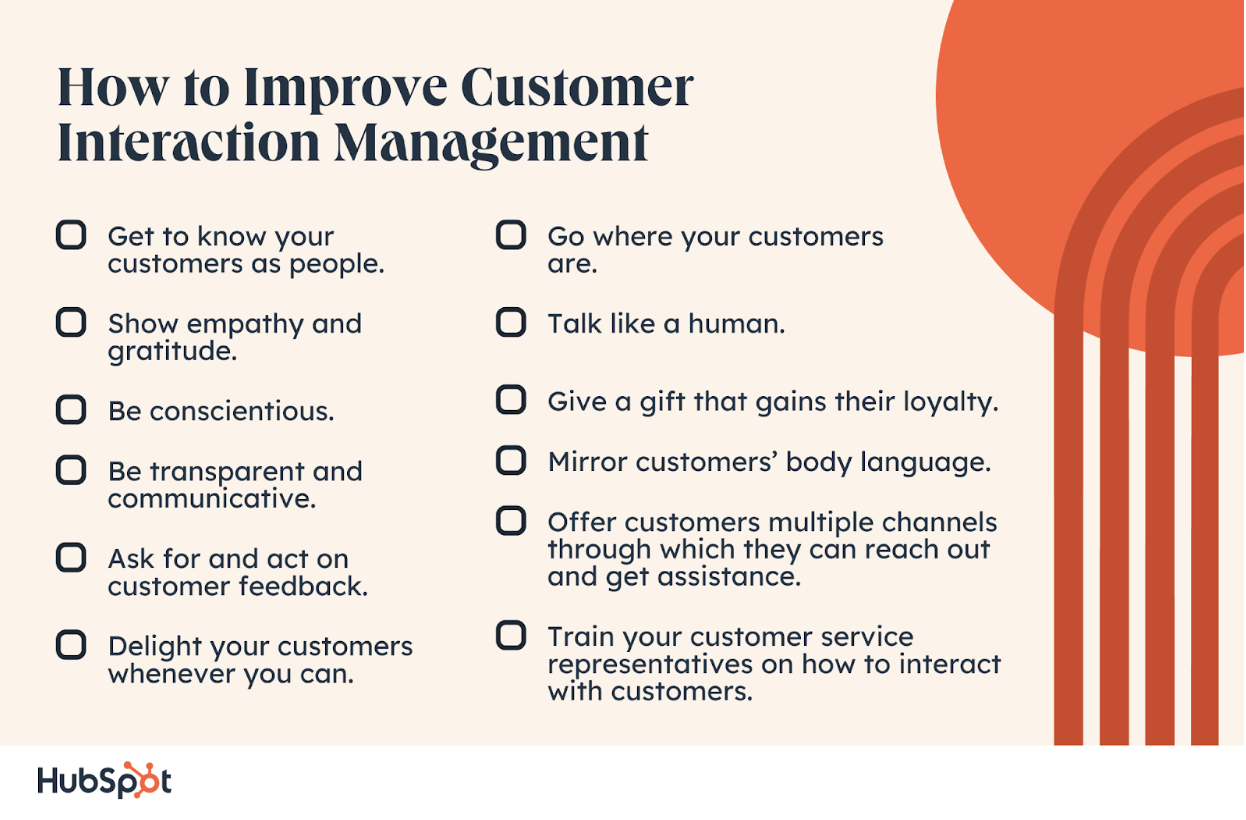
Improve Customer Interaction Management to Enhance Business Success: In today’s competitive landscape, understanding and effectively managing customer interactions is paramount for business growth. This involves more than just responding to queries; it’s about building lasting relationships, fostering loyalty, and ultimately driving revenue. This exploration delves into strategies for optimizing communication channels, leveraging technology, and cultivating a customer-centric culture to achieve sustainable business success.
We’ll examine key performance indicators (KPIs) to measure the effectiveness of your interaction management, explore different approaches such as proactive versus reactive strategies, and discuss the crucial role of technology, including CRM systems and AI-powered tools, in streamlining processes and personalizing the customer experience. The importance of employee training and the creation of a customer-centric organizational culture will also be highlighted, along with methods for collecting, analyzing, and responding to customer feedback to continuously improve your strategies.
Defining Effective Customer Interaction Management
Effective customer interaction management (CIM) is the strategic process of optimizing all touchpoints between a business and its customers to enhance satisfaction, loyalty, and ultimately, business success. It goes beyond simply responding to customer inquiries; it involves proactively anticipating needs, personalizing interactions, and resolving issues efficiently and effectively. A well-executed CIM strategy fosters positive customer experiences, driving repeat business and positive word-of-mouth referrals.
Core Principles of Effective Customer Interaction Management
Effective CIM rests on several foundational principles. These include a customer-centric approach, prioritizing seamless omnichannel experiences, leveraging data-driven insights for personalization, empowering employees to resolve issues effectively, and continuously monitoring and improving processes based on performance data. A key element is understanding the customer journey and identifying areas for improvement across all touchpoints, from initial contact to post-purchase support. This holistic view allows for the creation of more streamlined and satisfying interactions.
Key Performance Indicators (KPIs) for Customer Interaction Management
Measuring the success of CIM requires a focus on key performance indicators (KPIs). These metrics provide quantifiable insights into the effectiveness of strategies and processes. Crucial KPIs include customer satisfaction (CSAT) scores, Net Promoter Score (NPS), average handling time (AHT), first contact resolution (FCR), customer effort score (CES), and customer churn rate. Tracking these KPIs allows businesses to identify areas needing improvement and measure the impact of implemented changes. For example, a decrease in AHT and an increase in FCR indicate improved efficiency and customer satisfaction.
Examples of Companies with Excellent Customer Interaction Management Strategies
Several companies exemplify excellent CIM strategies. Zappos, renowned for its exceptional customer service, prioritizes exceeding customer expectations through generous return policies and readily available, helpful support. Similarly, companies like Amazon utilize sophisticated data analytics to personalize recommendations and proactively address potential customer issues. These companies understand that building strong customer relationships is crucial for long-term success. Their success stems from a deep understanding of their customers’ needs and preferences, coupled with a commitment to providing seamless and personalized experiences.
Comparison of Customer Interaction Management Approaches
| Approach | Description | Advantages | Disadvantages |
|---|---|---|---|
| Proactive | Anticipates customer needs and reaches out with relevant information or assistance before a problem arises. | Increased customer satisfaction, stronger customer relationships, potential for increased sales. | Requires significant investment in data analysis and predictive modeling, risk of appearing intrusive if not executed well. |
| Reactive | Responds to customer inquiries and addresses issues only after they have been raised. | Lower initial investment, simpler to implement. | Can lead to longer resolution times, higher customer effort, and potential damage to brand reputation. |
| Hybrid | Combines proactive and reactive approaches, leveraging data-driven insights to anticipate needs while efficiently handling incoming inquiries. | Balances the benefits of both proactive and reactive approaches, optimized for efficiency and customer satisfaction. | Requires a more complex system and skilled personnel to manage both aspects effectively. |
| Omnichannel | Provides consistent and seamless experiences across multiple channels (e.g., phone, email, chat, social media). | Improved customer convenience and satisfaction, increased accessibility, data integration for a holistic view of the customer. | Requires significant investment in technology and integration, complexity in managing multiple channels. |
Improving Communication Channels
Effective communication is the cornerstone of successful customer interaction management. Choosing the right channels and mastering communication across them is crucial for building strong customer relationships and driving business growth. Different channels offer unique advantages and disadvantages, and a well-defined strategy is needed to leverage their strengths while mitigating their weaknesses.
Communication Channel Benefits and Drawbacks
A variety of communication channels exist, each with its own strengths and weaknesses. Understanding these nuances allows businesses to select the most appropriate channel for each interaction and customer segment.
- Phone: Offers immediate, personalized interaction, allowing for complex issues to be resolved quickly. However, it can be expensive, lacks a record of the conversation unless meticulously documented, and may not be scalable for high volumes of inquiries.
- Email: Provides a written record of the interaction, allowing for easy reference and tracking. It’s cost-effective and scalable. However, it can be slower than other channels and may lead to misunderstandings due to a lack of non-verbal cues.
- Chat: Offers a real-time, convenient way for customers to get quick answers. It’s cost-effective and scalable, but can be impersonal and unsuitable for complex issues.
- Social Media: Allows for public interaction, fostering brand awareness and community building. It offers valuable feedback opportunities. However, it’s difficult to control the conversation, and negative comments can quickly escalate.
Best Practices for Effective Cross-Channel Communication
Consistency and clarity are key to effective communication across multiple channels. Customers should receive the same high level of service regardless of how they choose to contact the business.
- Maintain a consistent brand voice and tone: Whether communicating via email, phone, or social media, the brand’s personality should shine through.
- Use clear and concise language: Avoid jargon and technical terms that customers may not understand.
- Provide prompt responses: Customers appreciate timely communication, regardless of the channel.
- Offer multiple contact options: Give customers the flexibility to choose the channel that best suits their needs.
- Track and analyze communication effectiveness: Regularly review customer feedback and communication data to identify areas for improvement.
Sample Communication Strategy for a Hypothetical Business
Let’s consider “GreenThumb Gardens,” a company selling gardening supplies online and through a physical store.
| Communication Channel | Purpose | Target Audience |
|---|---|---|
| Website (Live Chat) | Answer quick product questions, provide immediate support. | Existing and potential customers browsing the website. |
| Order confirmations, shipping updates, marketing newsletters, handling complex inquiries. | All customers, particularly those requiring detailed information or assistance. | |
| Phone | Handle urgent issues, address complex problems requiring detailed explanation. | Customers requiring immediate assistance or those with intricate issues. |
| Social Media (Facebook, Instagram) | Build brand awareness, engage with customers, run contests, respond to public comments and queries. | Potential and existing customers interested in gardening and the brand’s activities. |
The Importance of Personalization in Customer Communications
Personalization significantly improves customer satisfaction and loyalty. By tailoring messages to individual customer preferences and past interactions, businesses can create more engaging and relevant communication.
- Use customer data to personalize messages: Include the customer’s name, purchase history, and other relevant information in communications.
- Segment customers based on demographics and behavior: Send targeted messages to specific customer groups based on their interests and needs.
- Offer personalized recommendations: Suggest products or services that are relevant to the customer’s past purchases or browsing history.
- Use dynamic content: Create messages that change based on the customer’s individual profile and preferences.
Leveraging Technology for Enhanced Interactions
In today’s digital landscape, leveraging technology is no longer optional but essential for effective customer interaction management. The right tools can significantly streamline processes, improve efficiency, and ultimately boost business success by fostering stronger customer relationships. This section will explore key technologies and their impact on enhancing customer interactions.
Effective implementation of various technologies can revolutionize how businesses interact with their customers, leading to increased customer satisfaction and improved operational efficiency. By automating tasks, providing personalized experiences, and gaining valuable insights into customer behavior, businesses can achieve a competitive edge in the marketplace.
CRM Systems and Their Impact on Customer Interactions
Customer Relationship Management (CRM) systems are foundational to effective customer interaction management. These systems consolidate customer data from various sources, providing a centralized view of each customer’s interactions with the business. This holistic view allows for more personalized and targeted communication, leading to improved customer satisfaction and loyalty. Different CRM systems offer varying functionalities and levels of sophistication. For example, Salesforce offers a robust and highly customizable platform suitable for large enterprises, while smaller businesses might find simpler systems like HubSpot more manageable. The choice depends on the specific needs and resources of the business. A well-implemented CRM system streamlines processes such as lead management, sales tracking, and customer support, resulting in improved efficiency and reduced operational costs. The ability to track customer interactions across multiple channels allows for a more consistent and seamless customer experience.
AI-Powered Tools and Personalized Customer Experiences
Artificial intelligence (AI) is rapidly transforming customer interaction management. AI-powered tools, such as chatbots and virtual assistants, can handle a significant volume of customer inquiries, freeing up human agents to focus on more complex issues. These tools can be programmed to provide immediate responses to frequently asked questions, offer personalized product recommendations based on past purchases or browsing history, and even proactively address potential customer issues. For instance, an e-commerce platform might use AI to suggest relevant products to a customer based on their browsing behavior, leading to increased sales and improved customer engagement. Furthermore, AI-powered sentiment analysis tools can monitor customer feedback across various channels, identifying areas for improvement in products or services. This data-driven approach allows businesses to make informed decisions and enhance the overall customer experience.
Comparison of CRM Systems in Enhancing Customer Interactions
Different CRM systems cater to varying business needs and sizes. Salesforce, known for its scalability and extensive features, is a popular choice for large enterprises. HubSpot, on the other hand, offers a more user-friendly interface and a comprehensive suite of marketing and sales tools, making it suitable for small and medium-sized businesses. Zoho CRM provides a cost-effective solution with a wide range of functionalities, appealing to businesses seeking a balance between features and affordability. The effectiveness of each system depends on factors such as the size of the business, budget, technical expertise, and specific requirements for customer interaction management. A thorough evaluation of these factors is crucial before selecting a CRM system. For example, a small business with limited IT resources might find HubSpot’s ease of use more beneficial than Salesforce’s extensive customization options.
Building a Customer-Centric Culture
Cultivating a customer-centric culture is paramount for long-term business success. It’s not merely a marketing strategy; it’s a fundamental shift in organizational philosophy, prioritizing customer needs and experiences at every level. This approach fosters loyalty, drives positive word-of-mouth marketing, and ultimately boosts profitability. A truly customer-centric organization anticipates customer needs, proactively addresses concerns, and consistently strives to exceed expectations.
The Importance of Employee Training in Providing Excellent Customer Service
Investing in comprehensive employee training is crucial for building a customer-centric culture. Employees are the face of the company, and their interactions directly shape customer perceptions. Training should cover various aspects of customer service, including active listening, effective communication techniques (both verbal and written), conflict resolution, empathy development, and product knowledge. Regular refresher courses and ongoing professional development opportunities ensure that employees remain equipped to handle diverse customer interactions effectively and consistently deliver exceptional service. This investment pays dividends in improved customer satisfaction, reduced customer churn, and enhanced brand reputation.
Strategies for Fostering a Customer-Centric Culture
Creating a customer-centric culture requires a multi-faceted approach. This involves clearly defining customer-centric values and incorporating them into the company mission and vision statements. Regular feedback mechanisms, such as customer surveys and focus groups, provide valuable insights into customer needs and preferences. These insights should be actively used to inform decision-making across all departments. Empowering employees to resolve customer issues quickly and efficiently, without unnecessary bureaucratic hurdles, is also critical. Furthermore, celebrating successes and acknowledging employee contributions to exceptional customer service fosters a positive and motivating work environment. Open communication channels between employees and management allow for feedback and continuous improvement in customer service practices.
Examples of Companies with Successfully Cultivated Customer-Centric Cultures
Several companies exemplify a successful customer-centric approach. Zappos, renowned for its exceptional customer service and generous return policy, prioritizes employee happiness, believing that happy employees deliver superior customer experiences. Their extensive training program focuses on building empathy and problem-solving skills. Similarly, Nordstrom, a high-end department store, is known for its flexible return policy and willingness to go the extra mile to satisfy customers. Their employees are empowered to make decisions that benefit the customer, even if it means bending the rules slightly. These examples highlight the positive correlation between a customer-centric culture and sustained business success.
A Step-by-Step Guide for Implementing Customer-Centric Initiatives
Implementing a customer-centric culture is a journey, not a destination. It requires a structured approach and consistent effort.
- Assess Current State: Conduct a thorough assessment of current customer service practices, identifying strengths and weaknesses. This might involve analyzing customer feedback, employee surveys, and sales data.
- Define Customer-Centric Values: Articulate clear values that prioritize customer needs and expectations. These values should guide all decisions and actions.
- Develop a Training Program: Create a comprehensive training program that equips employees with the skills and knowledge necessary to deliver exceptional customer service.
- Implement Feedback Mechanisms: Establish regular feedback channels, such as surveys, reviews, and social media monitoring, to gather customer insights.
- Empower Employees: Give employees the authority to resolve customer issues efficiently and effectively.
- Measure and Track Progress: Regularly monitor key performance indicators (KPIs) such as customer satisfaction scores, Net Promoter Score (NPS), and customer churn rate to measure the effectiveness of customer-centric initiatives.
- Continuously Improve: Regularly review and refine customer service processes based on feedback and performance data.
Analyzing and Responding to Customer Feedback
Understanding and acting upon customer feedback is crucial for business success. It provides invaluable insights into customer perceptions, preferences, and pain points, enabling businesses to refine their offerings and improve overall customer experience. By systematically collecting, analyzing, and responding to feedback, companies can proactively address issues, enhance their products and services, and foster stronger customer relationships.
Methods for Collecting Customer Feedback
Effective feedback collection relies on employing diverse methods to capture a wide range of perspectives. This multifaceted approach ensures a comprehensive understanding of customer sentiment and avoids bias associated with using a single method.
- Surveys: Online surveys, email surveys, and even short paper surveys can gather structured feedback on specific aspects of the customer journey. Well-designed surveys with clear, concise questions yield quantifiable data and actionable insights.
- Reviews: Platforms like Google Reviews, Yelp, and industry-specific review sites provide valuable, albeit often unstructured, feedback. Analyzing these reviews can reveal common themes and areas needing attention.
- Social Media Monitoring: Tracking brand mentions and relevant hashtags on platforms like Twitter, Facebook, and Instagram allows businesses to identify both positive and negative sentiment expressed by customers in real-time.
- Customer Support Interactions: Analyzing transcripts of customer service calls, emails, and chat logs can identify recurring issues and areas for process improvement. This provides a direct line to customer problems.
Techniques for Analyzing Customer Feedback
Analyzing customer feedback involves moving beyond simply reading individual comments to identifying patterns and trends. This requires a systematic approach to uncover actionable insights.
- Sentiment Analysis: Utilizing software tools to automatically assess the emotional tone (positive, negative, or neutral) of feedback helps to quickly identify areas needing immediate attention.
- Topic Modeling: Advanced techniques like topic modeling can group large amounts of unstructured feedback (like reviews) into meaningful themes, revealing underlying customer concerns and preferences.
- Qualitative Analysis: Manually reviewing feedback to identify recurring themes, specific complaints, and suggestions for improvement provides a deeper understanding of the customer perspective.
- Quantitative Analysis: Analyzing numerical data from surveys and other sources to identify statistical trends and correlations helps to prioritize areas for improvement based on their impact.
Best Practices for Responding to Customer Feedback
Responding to customer feedback, both positive and negative, is crucial for building trust and loyalty. A well-executed response strategy demonstrates that the company values customer input and is committed to continuous improvement.
- Positive Feedback: Acknowledge and appreciate positive feedback publicly. A simple “thank you” goes a long way, and sharing positive reviews can boost brand reputation.
- Negative Feedback: Respond promptly and empathetically to negative feedback. Acknowledge the customer’s concerns, apologize sincerely (even if not directly at fault), and offer a solution or explanation. Keep responses concise and professional.
Sample Response Plan for Handling Negative Customer Feedback
A structured response plan ensures consistent and effective handling of negative feedback. This plan outlines key steps and considerations for addressing customer concerns.
Step 1: Acknowledge and Empathize: “Thank you for sharing your feedback. We understand your frustration with [specific issue], and we sincerely apologize for the inconvenience this has caused.”
Step 2: Investigate and Gather Information: “We’re investigating the matter thoroughly to understand what happened and prevent similar issues in the future.”
Step 3: Offer a Solution or Explanation: “We’ve [taken action/provided explanation]. We hope this resolves the issue.”
Step 4: Follow Up: “We’ll follow up with you within [timeframe] to ensure your satisfaction.”
Step 5: Document the Issue and Resolution: This helps track recurring problems and improve internal processes.
Measuring and Tracking Success
Effective customer interaction management isn’t just about implementing strategies; it’s about proving their impact on the business. Measuring and tracking key metrics provides the data-driven insights needed to optimize processes, allocate resources effectively, and demonstrate the return on investment (ROI) of your efforts. This section will outline key metrics, data analysis techniques, and visualization methods for showcasing the success of your customer interaction management initiatives.
Key Metrics for Customer Interaction Management
Several key performance indicators (KPIs) can effectively gauge the success of customer interaction management strategies. Choosing the right metrics depends on specific business goals and the nature of customer interactions. However, some universally applicable metrics offer valuable insights. These metrics provide a comprehensive overview of customer satisfaction, operational efficiency, and overall business impact.
- Customer Satisfaction (CSAT): Measured through surveys and feedback mechanisms, CSAT directly reflects customer happiness with interactions. A high CSAT score indicates successful interaction management.
- Net Promoter Score (NPS): This metric assesses customer loyalty and willingness to recommend the business. A higher NPS suggests strong customer relationships fostered through effective interactions.
- Average Handling Time (AHT): This measures the average time spent resolving customer issues. Lower AHT indicates improved efficiency and streamlined processes.
- First Call Resolution (FCR): The percentage of customer issues resolved on the first contact. Higher FCR rates signify efficient and effective problem-solving.
- Customer Effort Score (CES): This metric measures the ease with which customers can interact with the business. A high CES suggests a user-friendly and efficient interaction process.
Data-Driven Improvement in Customer Interaction Management
Data analysis is crucial for continuous improvement. By analyzing the collected metrics, businesses can identify areas for enhancement in their customer interaction strategies. For instance, low FCR rates might indicate a need for better agent training or improved knowledge base access. High AHT could point to inefficiencies in processes or the need for more advanced technology. Analyzing trends in CSAT and NPS scores over time can reveal the impact of specific initiatives and guide future strategies. Regular data analysis allows for proactive adjustments, ensuring the customer interaction management system remains optimized for peak performance.
Visualizing Key Metrics
Data visualization is key to communicating findings effectively. Charts and graphs present complex data in an easily understandable format for stakeholders.
- Line graphs: Ideal for tracking metrics over time, showing trends in CSAT, NPS, or AHT. For example, a line graph could display monthly CSAT scores, highlighting periods of improvement or decline.
- Bar charts: Useful for comparing different channels or segments. A bar chart could compare average handling times across various communication channels (e.g., phone, email, chat).
- Pie charts: Effective for showing the proportion of different categories. A pie chart could illustrate the distribution of customer issues across various product categories.
Presenting Key Findings to Stakeholders
Clear and concise presentations are vital for securing buy-in and resources for further improvements. Presentations should focus on key findings, highlighting areas of success and areas needing improvement. Visual aids, such as charts and graphs, are crucial for effective communication. For example, a presentation could begin by showing an overall improvement in CSAT scores, then delve into specific channels or segments where improvements are needed, supported by relevant data visualizations. Including actionable recommendations based on the data analysis strengthens the presentation’s impact and guides future strategy. The presentation should clearly demonstrate the ROI of the customer interaction management strategies. For example, demonstrating a correlation between improved CSAT scores and increased customer lifetime value would effectively highlight the positive business impact.
Ending Remarks
Ultimately, improving customer interaction management is an ongoing process requiring continuous monitoring, adaptation, and a commitment to prioritizing the customer experience. By implementing the strategies and techniques discussed, businesses can not only enhance customer satisfaction and loyalty but also achieve significant improvements in overall operational efficiency and profitability. The key takeaway is that a well-defined and executed customer interaction management strategy is a crucial driver of sustainable business success in today’s dynamic market.